
 English
Views: 0 Author: Site Editor Publish Time: 2025-04-07 Origin: Site
In today’s health-conscious and sustainability-driven market, consumers demand products that are not only nutritious but also planet-friendly. For dry fruit businesses, adopting eco-friendly packaging is no longer optional—it’s a necessity to meet consumer expectations, comply with regulations, and reduce environmental impact. Customized eco-friendly packaging solutions ensure your dry fruits stay fresh while aligning with green values. Here’s how tailored sustainable packaging can elevate your brand and protect your products.
Environmental Responsibility
Traditional plastics and non-recyclable materials contribute to pollution and landfill waste. Eco-friendlypackaging reduces carbon footprints through biodegradable, compostable, or recyclable materials.
Consumer Demand
66% of global consumers prefer sustainable brands (Nielsen 2023). Eco-packaging appeals to millennials, Gen Z, and eco-aware buyers, boosting brand loyalty and marketability.
Regulatory Compliance
Governments worldwide are banning single-use plastics. Sustainable packaging ensures adherence to laws like the EU Single-Use Plastics Directive or California’s Plastic Packaging Tax.
Product Protection
Advanced eco-materials (e.g., plant-based films) provide moisture, oxygen, and light barriers to maintain freshness without compromising quality.
Biodegradable & Compostable Pouches
Made from cornstarch, sugarcane bagasse, or jute.
Ideal for bulk dry fruits or organic brands.
Certifications: Compostable (BPI, TÜV OK Compost).
Reusable Glass Jars with Metal Lids
Premium, zero-waste option for luxury markets.
Fully recyclable and reusable for decades.
FSC-Certified Paper Bags
Sourced from responsibly managed forests.
Customizable with matte finishes, windows, or embossed logos.
Plant-Based Plastic (PLA) Trays
Derived from corn or sugarcane, compostable in industrial facilities.
Lightweight and ideal for retail displays.
Edible Coatings for Packaging
Shellac or rice paper coatings protect fruits while being safe to eat.
Reduces plastic use and adds a unique selling point.
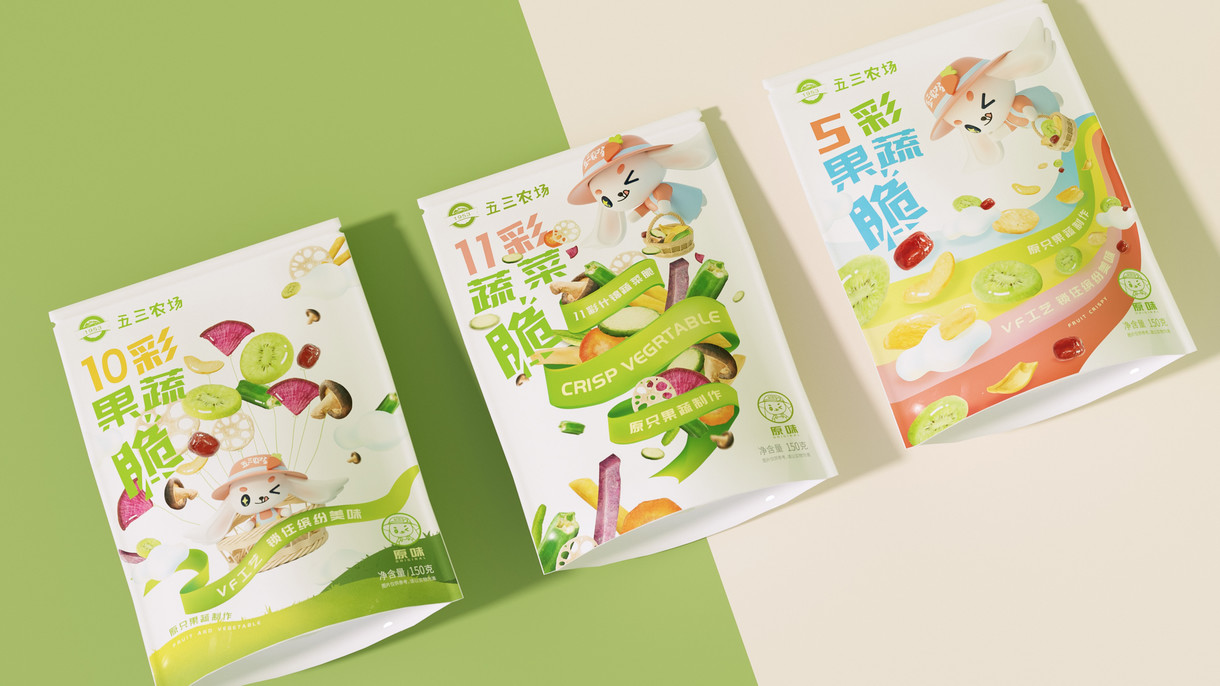
Material Customization: Choose from recycled, biodegradable, or plant-based options based on your product’s needs.
Design Flexibility: Incorporate brand colors, logos, and certifications (e.g., USDA Organic, Fair Trade).
Functional Barriers: Advanced coatings or layered films to block moisture, oxygen, and pests without chemicals.
Scalability: Solutions for small-batch artisan brands to large-scale commercial production.
Enhanced Brand Image: Position your brand as a sustainability leader.
Cost Efficiency: Long-term savings from reduced waste and reusable designs.
Customer Loyalty: Attract eco-conscious buyers and foster trust.
Regulatory Readiness: Stay ahead of global sustainability regulations.
A dry fruit company switched from plastic pouches to compostable PLA bags with a plant-based lining. Results included:
50% reduction in packaging waste sent to landfills.
25% increase in online sales due to eco-friendly branding.
Positive media coverage and partnerships with green retailers.
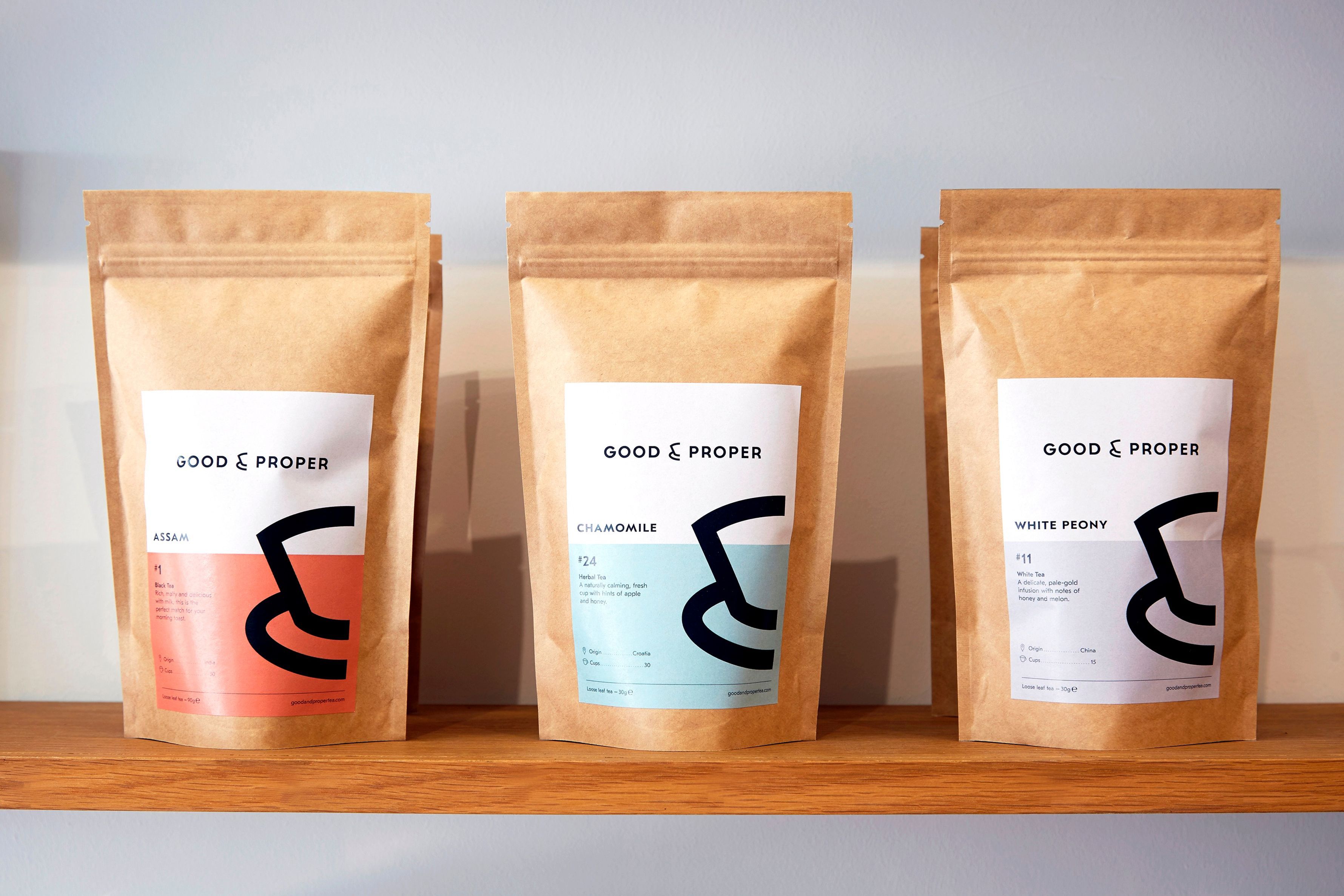
Smart Packaging: QR codes linking to sourcing stories or carbon footprint data.
Water-Soluble Films: Dissolvable packaging for zero residue.
Upcycled Materials: Packaging made from food industry byproducts (e.g., orange peels, grape pomace).
Sustainability Credentials: Ensure the supplier uses certified materials and ethical practices.
Customization Options: Look for design flexibility and scalability.
Testing & Quality Assurance: Verify barrier performance and shelf-life extension.
End-of-Life Guidance: Confirm disposal/recycling instructions for consumers.
Eco-friendly packaging is a win-win: it protects your dry fruits, reduces environmental harm, and resonates with modern consumers. By tailoring solutions to your brand’s needs—whether through biodegradable pouches, reusable jars, or edible coatings—you can differentiate your product in a competitive market while contributing to a greener planet.


