In the dynamic world of the food industry, dry food products hold a significant and ever - expanding market share.
From the morning - energizing cereals to the versatile pastas used in countless cuisines, and from the crunchy snacks for munching during breaks to the carefully formulated pet foods, dry foods are a staple in households globally. However, ensuring the quality and safety of these products from the manufacturing site to the consumer's table is a complex task, with packaging playing a central and decisive role.
The Multifaceted Importance of Packaging in Dry Food Preservation
Moisture Barriers: A Fundamental Shield
Moisture is perhaps the most common and damaging enemy of dry foods. Consider grains like rice, wheat, and oats. These grains are hygroscopic, meaning they readily absorb moisture from the surrounding environment. Even a minuscule increase in moisture content can lead to a host of problems. Grains may start to clump together, making them difficult to measure accurately for cooking. More alarmingly, the presence of moisture creates a favorable environment for the growth of mold and bacteria. This not only spoils the food, rendering it unfit for consumption but also poses potential health risks to consumers.
To combat this, advanced packaging materials with exceptional moisture - barrier properties are essential. High - density polyethylene (HDPE) liners, often incorporated into multi - layer packaging films, are a prime example. HDPE has an extremely low water vapor transmission rate. This means that it effectively blocks humidity from penetrating the package and reaching the dry food inside. As a result, the grains can maintain their dry, free - flowing state for extended periods, preserving their quality and edibility.
Oxygen and Light Protection: Preserving Nutritional Value and Flavor
Oxygen is another major threat to the integrity of
dry foods, especially those rich in fats such as nuts and seeds. When these products are exposed to oxygen, a process called oxidation occurs. Oxidation causes the fats in nuts and seeds to turn rancid. This not only leads to a significant change in the taste and smell of the food, making it unappealing, but also reduces its nutritional value. For instance, the healthy unsaturated fats in nuts can be damaged during oxidation, diminishing the health benefits associated with consuming them.
Packaging that incorporates aluminum foil laminations is highly effective in blocking oxygen. The metal layer in the aluminum foil acts as a physical barrier, preventing oxygen molecules from diffusing into the package and reacting with the food. Additionally, light, particularly ultraviolet (UV) light, can also have a detrimental effect on dry foods. UV light can cause discoloration in products like dried fruits. It can also break down certain nutrients, such as vitamins in fortified cereals. Packaging materials with UV - blocking additives or opaque coatings are used to shield the food from the harmful effects of light. This ensures that the dry food maintains its original color, flavor, and nutritional composition, enhancing its marketability and consumer appeal.
Airtight Seals: Maintaining a Hermetic Environment
The integrity of the seal in
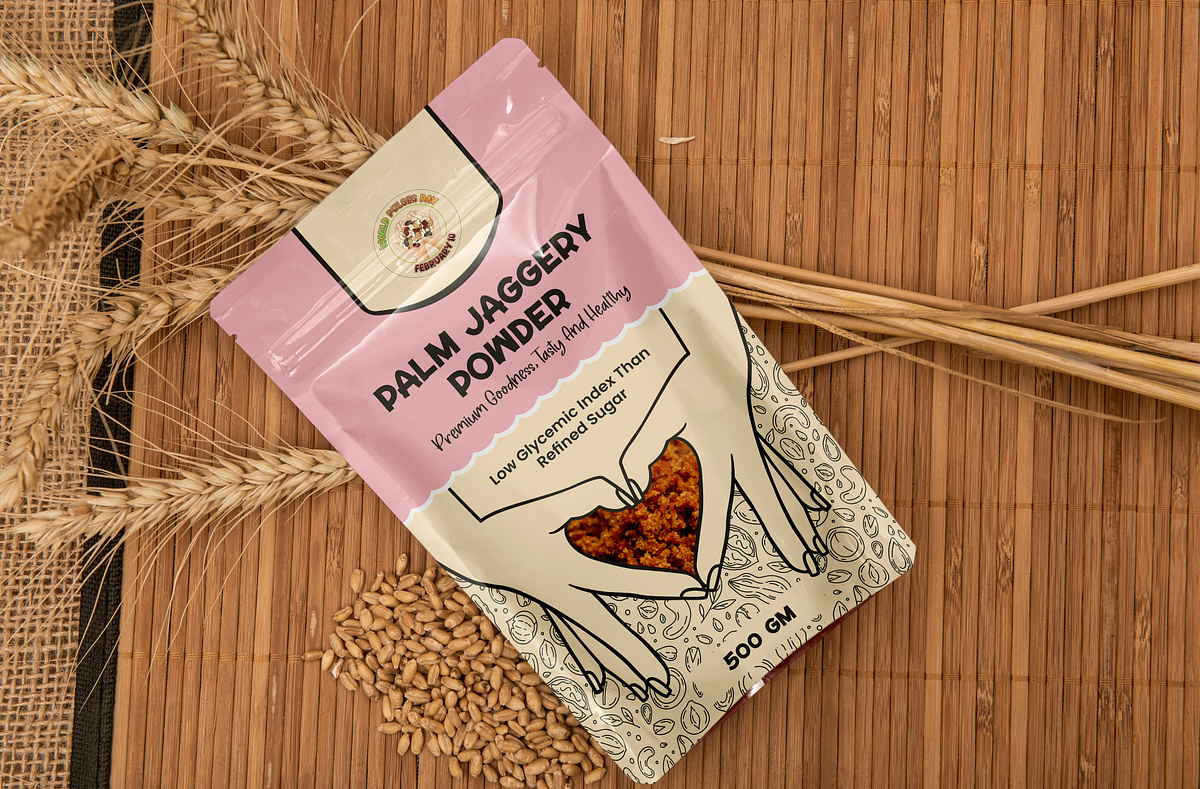
dry food packaging is of utmost importance. Airtight closures, whether in the form of resealable zippers on pouches or snap - on lids on containers, are designed to create a hermetic environment. Stand - up pouches with robust zipper seals are extremely popular for many dry food products, such as coffee and tea. These seals prevent air from entering the package. Since air contains both oxygen and moisture, blocking its entry helps to maintain the freshness of the product.
Moreover, the resealable feature allows consumers to open and close the package easily, ensuring that the product remains fresh between uses. Precision in sealing technology has advanced significantly. Even small, granulated dry foods like spices can now be securely packaged with seals that resist leakage. This is crucial as it keeps the product intact during storage and transportation, preventing any loss or contamination.
Innovations in Dry Food Packaging for Enhanced Shelf Life
Modified Atmosphere Packaging (MAP)
Modified Atmosphere Packaging (MAP) has emerged as a revolutionary technique in the
dry food packaging industry. The concept involves replacing the air inside the package with a carefully selected mixture of gases. Typically, oxygen in the package is replaced with nitrogen, carbon dioxide, or a combination of the two. This is because even small amounts of oxygen in dry food packaging can compromise the quality of the product and make it unsellable.
For example, in the case of powdered milk for babies, which is a particularly sensitive dry foodstuff, the oxygen levels in the package should be less than 0.2%. By using MAP, the oxidation process that can lead to spoilage and a loss of nutritional value is inhibited. In addition to oxygen control, MAP can also address the issue of moisture. Moisture has a significant impact on the appeal of dried snacks. Consumers expect their snacks to be crispy, and a modified atmosphere packaging that includes a moisture barrier can help achieve this. For dried soups and instant drinks, where water vapor can cause powders to clump and become unappetizing, MAP provides an effective solution.
Vacuum Sealing Technology
Vacuum sealing is another innovative approach to dry food packaging. The process involves removing the air from the package before sealing it. This significantly reduces the presence of oxygen, which as mentioned earlier, is a major cause of food spoilage. Vacuum - sealed food packaging locks in freshness as it slows down the rate at which food decays. This is because many of the chemical reactions that cause food to go bad, such as oxidation and the growth of aerobic bacteria, require oxygen. By removing oxygen, these reactions are either slowed down or halted altogether.
The air - tight seal created during vacuum sealing also prevents contamination. This is important as it stops external pollutants, such as dust and dirt, from entering the package and spoiling the food. Vacuum - sealed packages are also more durable, as the lack of air inside reduces the risk of the package bursting or getting damaged during handling and transportation. Additionally, vacuum sealing helps in reducing food waste. Since the food stays fresh for a longer time, there is less likelihood of it being discarded due to spoilage.
Custom - Shaped and Sized Packaging for Optimal Protection
Customization in the shape and size of dry food packaging has become a game - changer. Different dry food products have unique requirements, and one - size - fits - all packaging is no longer sufficient. For example, consider the packaging for dry pet food. Large, rectangular containers with easy - pour spouts are designed for convenient dispensing. Pet owners need to be able to measure out the right amount of food for their pets easily, and these containers make the process simple. On the other hand, smaller, portion - controlled sachets are ideal for travel or for single - serving use. This not only helps in portion control but also ensures that the remaining food stays fresh, as the sachet can be resealed after each use.
For artisanal dry food products, unique shapes can enhance brand identity while also providing better protection. A gourmet popcorn brand might opt for a cylindrical tin with a decorative lid. The cylindrical shape not only looks attractive on the store shelf but also provides better protection against breakage compared to a flat - bottomed pouch. The lid can be designed to be air - tight, ensuring that the popcorn stays fresh and crunchy.
Eco - Friendly Materials: Meeting Consumer and Environmental Demands
With growing environmental concerns, there is an increasing demand for sustainable packaging in the dry food industry. Consumers are becoming more aware of the environmental impact of packaging waste, and they are actively seeking products with eco - friendly packaging. Biodegradable materials, such as polylactic acid (PLA) derived from renewable resources like corn starch, are being increasingly used in dry food packaging. A company selling dried fruits might choose PLA - based pouches. These pouches have the advantage of breaking down naturally over time, reducing plastic waste. At the same time, they can be engineered to have excellent barrier properties, protecting the dried fruits from moisture and oxygen.
Recycled paperboard is another popular choice, especially for products like cereal boxes. Brands can proudly display the recycled content on their packaging, appealing to eco - conscious consumers. Using recycled paperboard helps to reduce the demand for virgin materials and lowers the energy consumption associated with packaging production. However, it is important to note that recycled paperboard may need to be combined with other materials, such as a moisture - resistant coating, to effectively protect dry food products.
Reducing Packaging Waste through Design Innovations
Innovative design strategies are also focused on minimizing packaging waste. Some dry food products are now being packaged in minimalist designs, using only the necessary amount of material to protect the product. For example, a brand of dehydrated soups might use a flat, flexible pouch with a minimal amount of plastic, eliminating the need for a bulky box. This not only reduces the amount of packaging waste but also makes the product more cost - effective to produce and transport.
Additionally, some companies are exploring refillable packaging options. A coffee brand could offer a reusable canister, with consumers purchasing refills in smaller, more sustainable packaging. This reduces the overall volume of packaging waste generated. It also encourages consumers to be more environmentally conscious in their purchasing habits, as they are actively participating in reducing waste by reusing the canister.
Advanced dry food packaging is a complex and dynamic field that combines the need for product protection, shelf - life extension, and sustainability. By leveraging innovative technologies and materials, the dry food industry can ensure that products reach consumers in the best possible condition while also minimizing its environmental impact. As consumer demands continue to evolve, the development of advanced packaging solutions will remain crucial for the success of dry food manufacturers and the satisfaction of consumers worldwide.
Eco-Friendly Preservation Technology
How to Extend Shelf Life of Dry Foods
Best Packaging for Long-Term Dry Food Storage

 English


