
 English
Views: 0 Author: Site Editor Publish Time: 2025-04-21 Origin: Site
In the ever - evolving packaging industry, stand - up bags have emerged as true game - changers. These bags have revolutionized the way products are packaged, stored, and displayed, bringing a multitude of benefits to both businesses and consumers.
Stand - up bags originated in the 1960s, but their popularity skyrocketed in the early 2000s with advancements in materials and printing technologies. Initially, they were mainly used in the food and beverage sector. Over time, their versatility and advantages led to their widespread adoption across various industries, including personal care, pharmaceuticals, and household products.
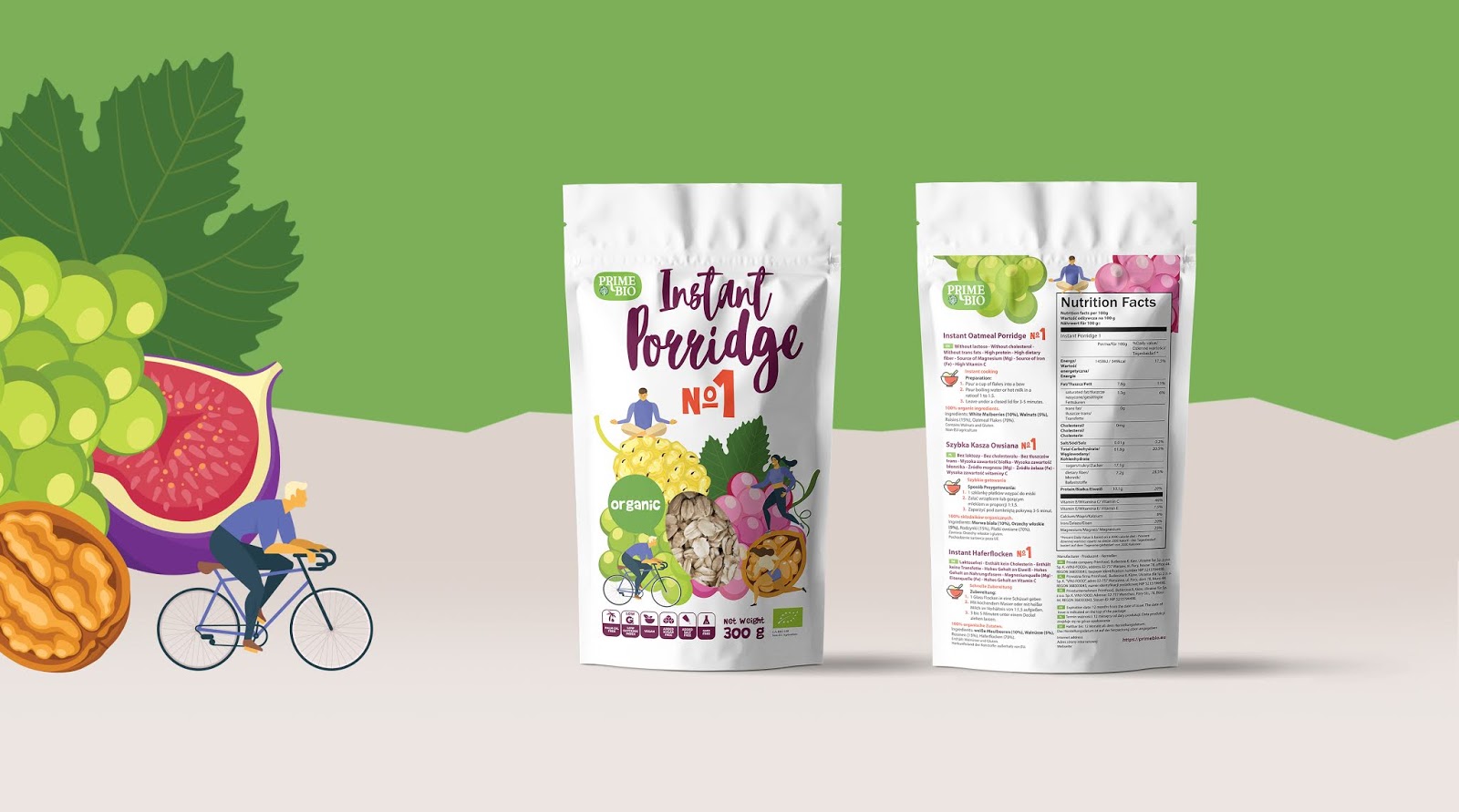
Space - Saving and Display - Friendly1: The most distinctive feature of stand - up bags is their bottom gusset, which allows them to stand upright on shelves. This upright stance not only makes them space - savers, occupying less shelf space compared to traditional packaging, but also provides excellent visibility. They can be easily seen and accessed by consumers, making them a great choice for products that need to make a statement on the shelf.
Superior Preservation1: Stand - up bags are typically made of a combination of plastic films, foil, and sometimes paper. These materials offer excellent barrier properties against moisture, air, and light, helping to keep the contents fresh for a longer time. This is particularly important for food products, as it helps maintain their taste, aroma, and nutritional value, and also extends the shelf life of other perishable items.
User - Friendly2: Many stand - up bags are equipped with convenient features such as resealable zippers, spouts for controlled dispensing, and easy - tear notches. These features enhance the user experience, making it easy for consumers to open, close, and use the product. They are especially suitable for on - the - go lifestyles, allowing people to access the product easily while traveling or in a hurry.
Cost - Effective3: In terms of material usage, stand - up bags can be more efficient than rigid packaging options. They often require less material to package the same amount of product, which not only reduces the cost of materials but also contributes to a lower carbon footprint in the manufacturing process. Additionally, their lightweight nature leads to lower transportation costs, as more bags can be shipped in the same space compared to heavier rigid packaging.
Branding and Design Opportunities1: The large surface area of stand - up bags provides an excellent canvas for branding and marketing. Brands can use advanced printing technologies such as flexography and digital printing to create eye - catching designs, high - definition graphics, and tactile finishes. This helps products stand out on crowded shelves and attract consumers' attention, playing a crucial role in brand promotion and product differentiation.
Food and Beverage Industry: Stand - up bags are widely used for packaging snacks, coffee beans, tea, sauces, and beverages. Their ability to preserve freshness and provide convenient access makes them an ideal choice for these products.
Personal Care and Beauty Industry: In this industry, stand - up bags are used for packaging shampoos, lotions, creams, and other products. The convenient features and attractive designs of these bags meet the needs of both consumers and brands.
Pharmaceutical Industry: For pharmaceuticals, stand - up bags offer a safe and convenient packaging solution. They can protect the medicine from moisture and light, ensuring the quality and efficacy of the product.
Household Product Industry: Products such as laundry detergents, fabric softeners, and cleaning agents are also often packaged in stand - up bags. Their durability and ease of use make them popular among consumers.
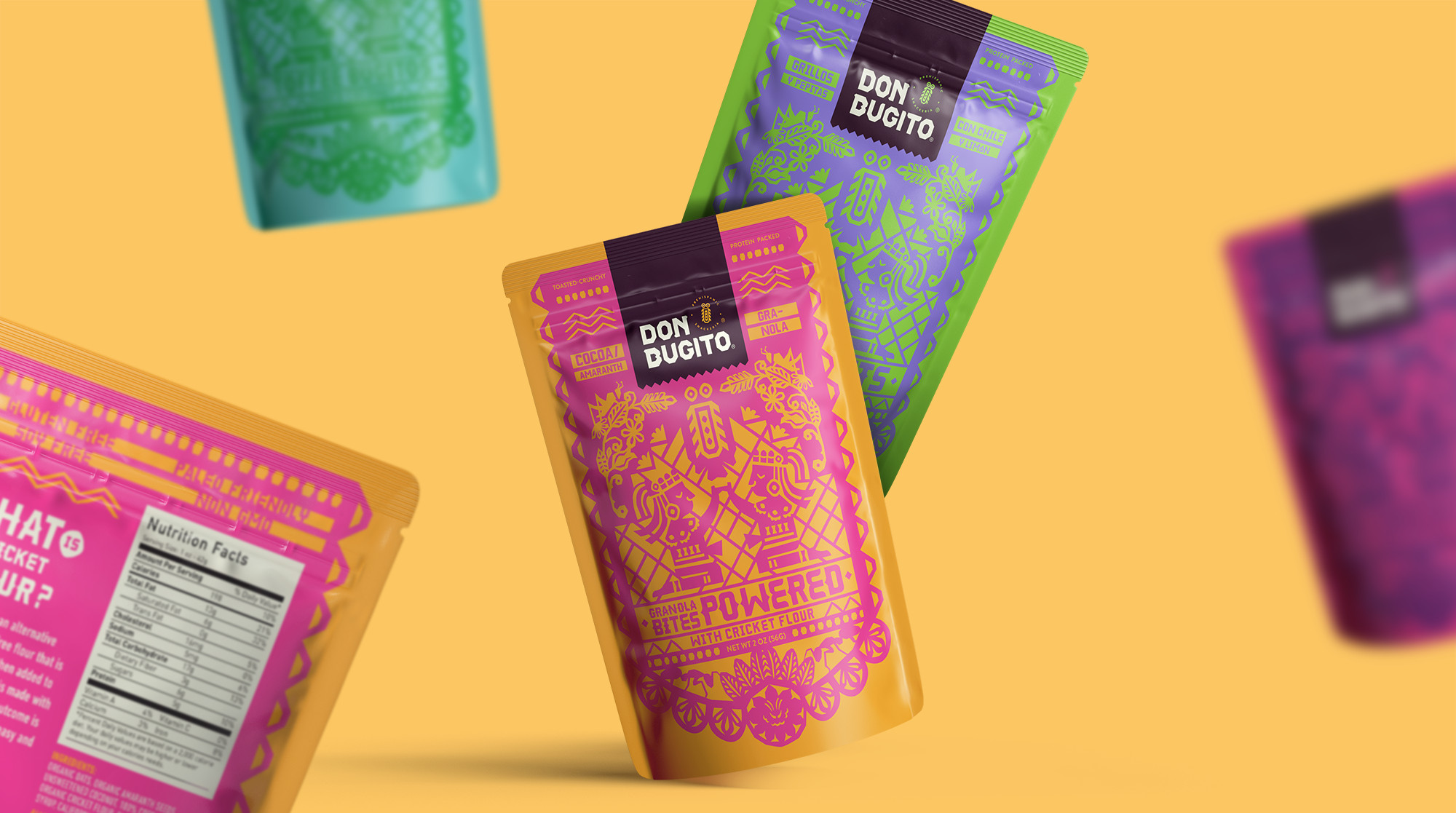
In conclusion, stand - up bags have become an important part of the packaging industry, offering a combination of functionality, convenience, and sustainability. Their continuous evolution and innovation are set to shape the future of packaging, meeting the diverse needs of various industries and consumers while contributing to a more sustainable packaging landscape.


